White Horse Recovery Breathes New Life into the Fight Against Addicton

White Horse Recovery Breathes New Life into the Fight Against Addicton

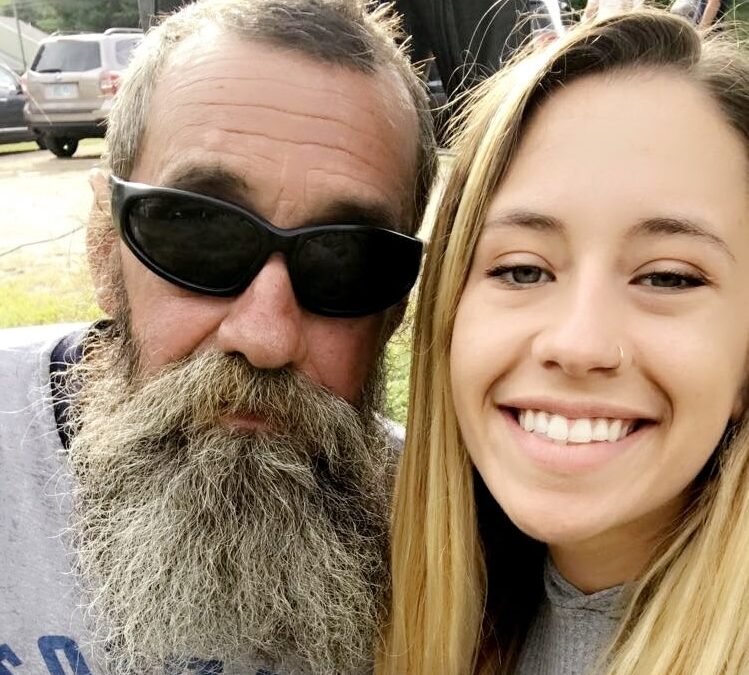
Drew and Gracie Pedersen

When Drew Pedersen first brought his daughter Gracie to White Horse Recovery in 2018, addiction had already claimed two generations of their family. Today, both father and daughter stand as Recovery Coaches at the organization, living proof that cycles can be broken and families can heal together.

“Addiction runs in the Pedersen family, but so does recovery now,” said Drew.

Drew’s battle with alcohol began at age 12 in the 1960s, escalating through decades of struggle with cocaine. After achieving 14 years of sobriety, he relapsed when Gracie’s older sister began using heroin. “Fifteen years of on and off drinking followed,” he said.

For Gracie, while awareness of addiction’s devastation came early, that knowledge did not prevent her own descent into alcoholism by age 22. The turning point arrived when her father initiated an impromptu intervention.

“A good friend sold me on rehab, made it sound like a vacation,” she said. “As soon as I ended up in rehab, I took accountability and took control over my own life.”

White Horse Recovery became their bridge to healing. Drew initially volunteered in 2018, as he wanted to “check the place out to make sure it was okay to bring [his oldest] daughter here.” When Drew brought Gracie to Whitehorse in 2022, staff member Kelsey Wentworth connected Gracie with New Hampshire Detox Center, which began her journey through treatment at Bonfire Recovery Services and then sober living at The Freeman House, both in Dover, NH.

“When I was in treatment, I had a dream to work in treatment,” said Gracie, who landed her first recovery job at Bonfire Behavioral Health’s residential facility in spring of 2023.
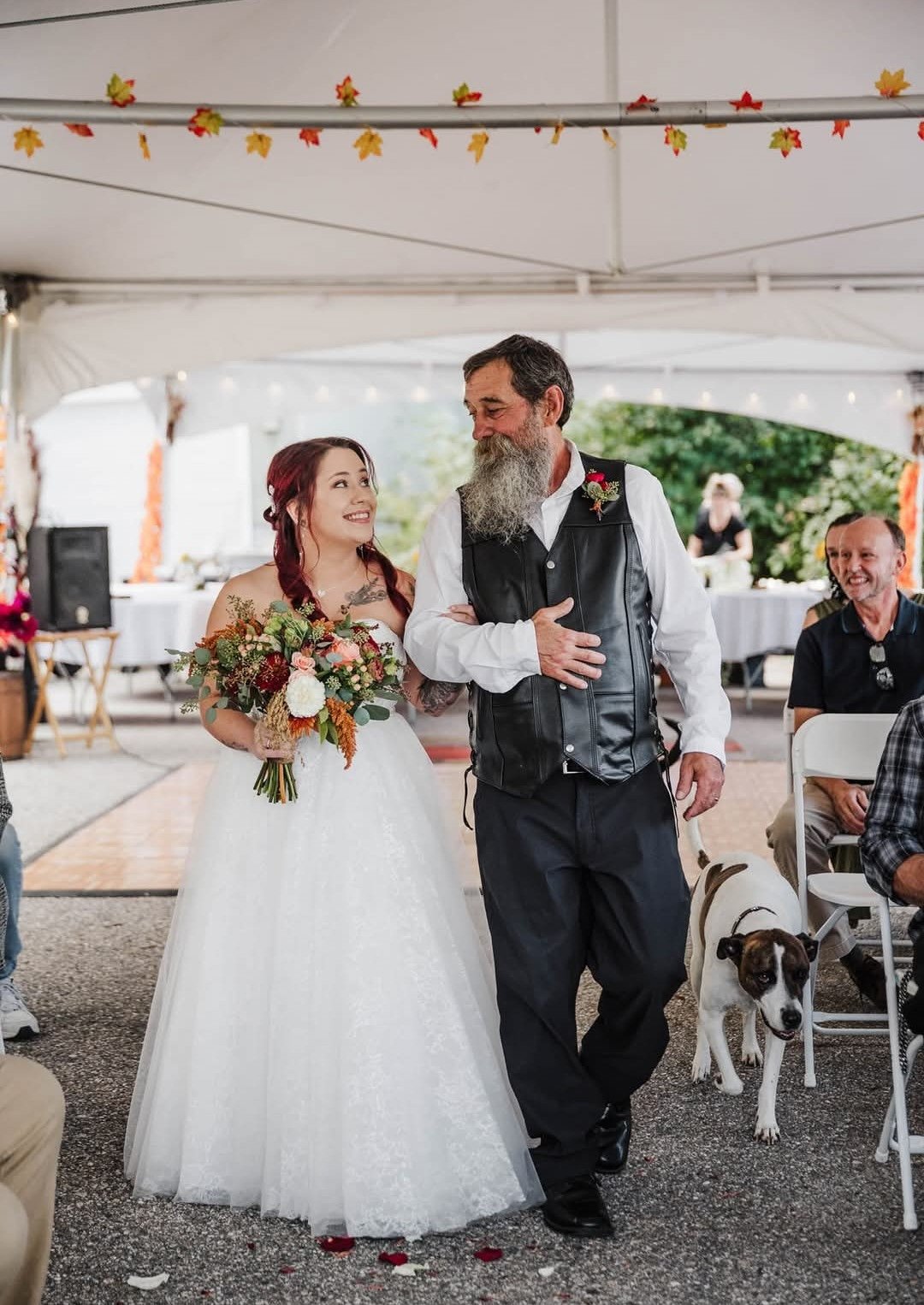
Gracie and Drew at wedding
Drew became a paid White Horse employee in March 2024, earning his Certified Recovery Support Worker credentials while Gracie currently pursues the same certification. Working together has strengthened both their recovery and their relationship. “We have good yin and yang,” Gracie said.

For Gracie, her focus is on empowerment. “I love helping people who don’t typically feel seen,” she said.


Drew finds purpose in crisis intervention: “I like helping people,” he said. “When things get a little crazy around here, I like that a bit, as long as it ends well.”

Their collaboration extends beyond White Horse’s walls through prevention work at Kingswood Youth Center, where Gracie engages in conversations with young people every other week. “I’ve brought people in to tell their story to the kids—I’m spreading awareness,” she explained.

The strength of both their recoveries faced its ultimate test when Gracie’s mother spent 10 weeks in a coma on a ventilator during COVID-19 restrictions. “It pushed both of us to our personal limits,” Drew said.

Though Gracie initially relapsed during the crisis, the experience ultimately reinforced their commitment to recovery and each other. For Gracie, who recently gained custody of her stepdaughter Ainsley, her focus is clear. “My goal is to be the best mom possible for my daughter,” she said.

For Drew, his goal is equally singular in its focus. “Keep breathing for as long as possible,” he said.

Founded in Center Ossipee, New Hampshire, White Horse Recovery has grown from a small organization into a leading nonprofit with 28 employees across four locations, providing both mental health and substance use disorder services.

If you or someone you know is struggling, you are not alone. White Horse Recovery offers services for those ready to start their journey to recovery. For more information, call 603-651-1441, Ext. 1.
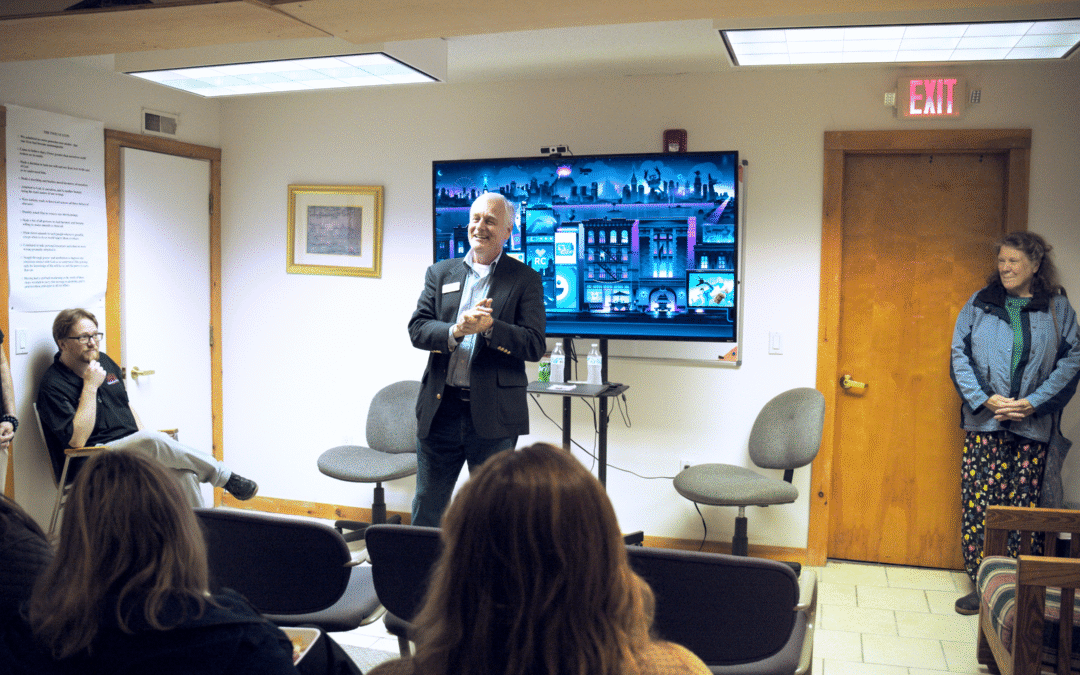
White Horse Recovery Receives $35,000 Transportation Grant to Eliminate Treatment Barriers

White Horse Recovery Receives $35,000 Transportation Grant to Eliminate Treatment Barriers

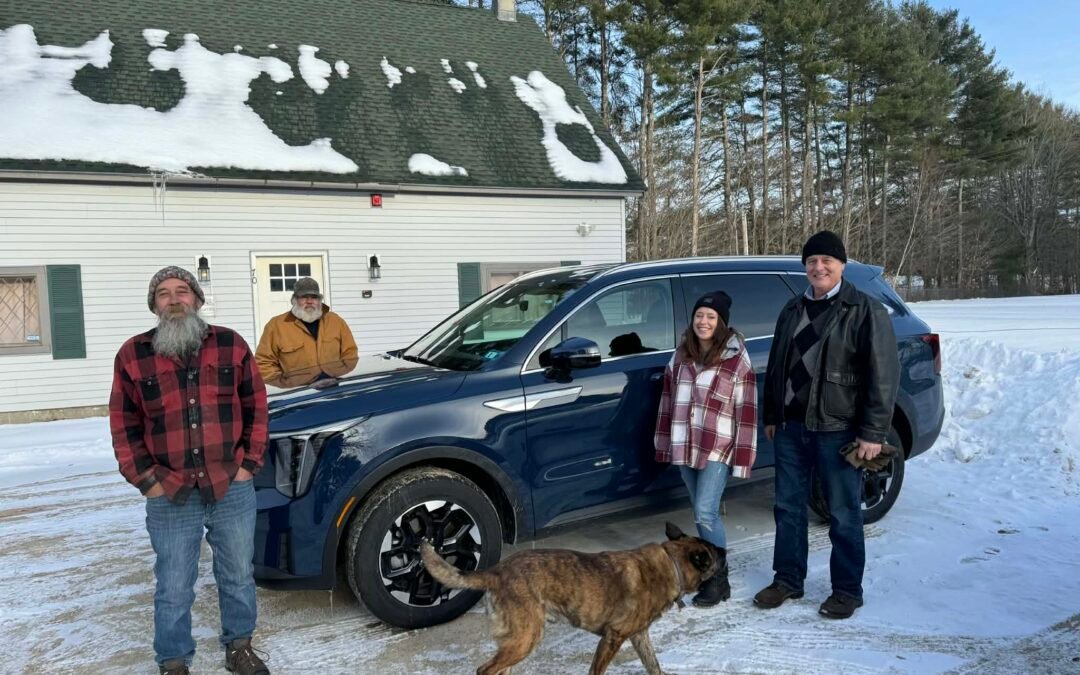
From left to right: Certified Recovery Support Worker Drew Pederson, Tim Adams and his dog Jake, Recovery Coach Gracie Pederson, and White Horse Executive Director Matthew Plache

White Horse Recovery has been awarded a $35,000 grant from the Kendal C. and Anna Ham Charitable Foundation to purchase a dedicated transportation vehicle for its North Conway location. The Kendal C. and Anna Ham Charitable Foundation focuses on supporting the Mt. Washington Valley of New Hampshire, and Bridgton and Fryeburg, Maine communities in areas of human services, environment, and community development.

According to White Horse Executive Director Matthew Plache, the grant will eliminate many of the transportation barriers that often prevent clients from reaching detox facilities, intensive outpatient therapy sessions, recovery meetings, and essential support services.

“Many clients served by White Horse Recovery are homeless, lack vehicle access, or have lost driving privileges due to addiction-related issues,” he said. “Transportation is often the difference between someone getting help and falling through the cracks.”

Plache said White Horse’s existing transportation program has already demonstrated significant success at their Center Ossipee, Littleton, and Berlin locations.

“Research consistently shows that transportation barriers significantly impact treatment engagement and completion rates, particularly in rural areas where treatment facilities may be located far from where clients live,” he added.

Founded in Center Ossipee, New Hampshire, White Horse Recovery has grown from a small organization into a leading nonprofit with 28 employees across four locations, providing both mental health and substance use disorder services.

If you or someone you know is struggling, you are not alone. White Horse Recovery offers services for those ready to start their journey to recovery. For more information, call 603-651-1441, Ext. 1.
Innovative Program Transforms Lives as Funding Gaps Challenge Rural Recovery Services

Innovative Program Transforms Lives as Funding Gaps Challenge Rural Recovery Services

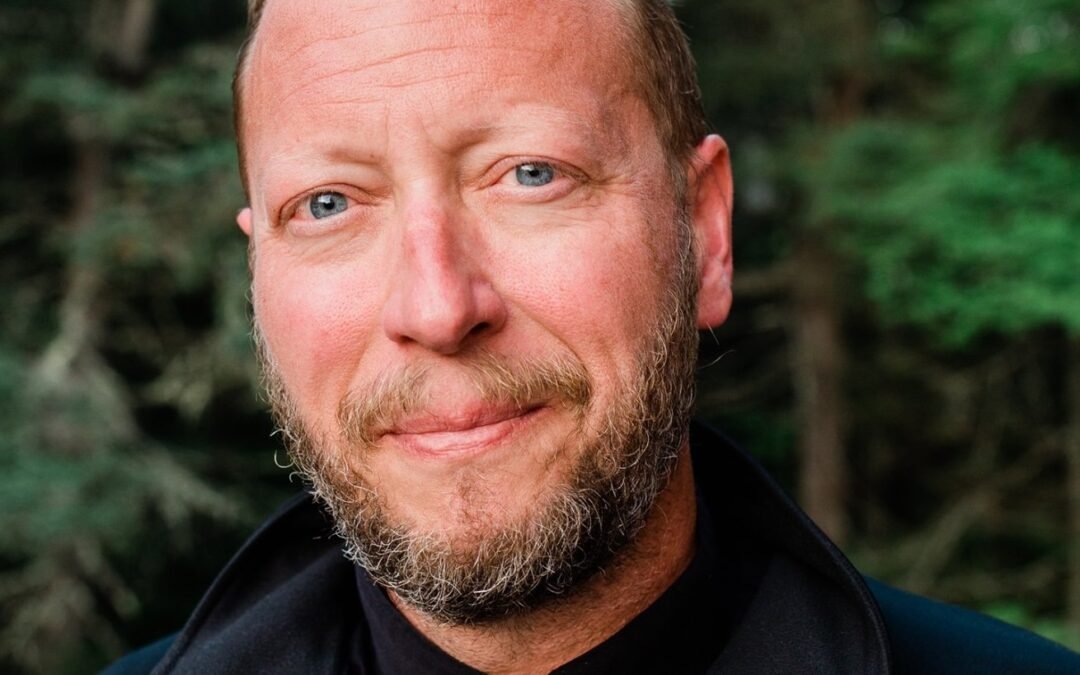
Executive Director Matthew Plache at recent staff meeting

White Horse Recovery’s Intensive Outpatient Program (IOP) is gaining recognition as a transformative approach to addiction recovery, combining 12 weeks of intensive group and individual counseling that has proven successful in helping clients reclaim their lives. However, the program’s innovative model faces sustainability challenges as insurance reimbursements fall significantly short of actual program costs.

The comprehensive IOP requires participants to attend three hours of therapy, three times per week, plus individual sessions—totaling 10 hours of clinical support weekly. This intensive approach, which costs approximately $12,000-$14,000 per client over the 12-week period, has demonstrated remarkable outcomes, including dramatically reduced recidivism rates and successful reintegration into families and communities.

“We don’t just save lives—we change them,” said Matthew Plache, Executive Director of White Horse Recovery. “When people complete our IOP program, they’re different people. They have their lives back, they’re no longer dependent on substances, and they have the tools and community support to sustain their recovery long-term.”

The program’s success extends beyond individual transformation. Recent data from the Carroll County jail shows that participants in White Horse’s recovery groups experienced a recidivism rate drop to just 30%. One recent graduate, who was facing a three-year prison sentence, completed the program and avoided incarceration entirely, now working toward employment and family reunification.

However, the program’s innovative intensity comes at a cost that is not fully covered by insurance. White Horse absorbs approximately $120 more per session than insurance reimbursements provide, creating an annual funding gap that has historically been supported through individual donors and county grants.

Recent reductions in county funding—from $150,000 to $100,000 over the past few years—have intensified the need for community support. “More than 95% of our IOP clients are Carroll County residents, and many are economically disadvantaged,” Plache noted. “We serve anyone regardless of their ability to pay because we believe everyone deserves access to recovery services.”

The program serves clients throughout Carroll County, with participants traveling from Bartlett, Conway, Jackson, Tamworth, Wakefield, and other communities to the Ossipee location. While alcohol remains the most common substance addressed, the program increasingly serves individuals struggling with opioid addiction, particularly fentanyl.

White Horse’s current Annual Fund drive aims to bridge these critical funding gaps, ensuring the IOP program can continue serving 6-8 clients at any given time while maintaining its high-intensity, personalized approach. The organization also provides additional services at no cost to taxpayers, including Smart Recovery groups at the county jail—a $70,000 annual value.

“Every person in addiction affects at least 10 others—employers, family members, friends,” Plache explained. “In a state where addiction and mental health challenges affect nearly 20% of the population, programs like ours provide hope and real solutions.”

Founded in Center Ossipee, New Hampshire, White Horse Recovery has grown from a small organization into a leading nonprofit with 28 employees across four locations, providing both mental health and substance use disorder services.

If you or someone you know is struggling, you are not alone. White Horse Recovery offers services for those ready to start their journey to recovery. For more information, call 603-651-1441, Ext. 1.
White Horse Recovery Embraces Faith-Based and Secular Approaches to Healing

White Horse Recovery Embraces Faith-Based and Secular Approaches to Healing

White Horse Recovery continues to demonstrate its commitment to inclusive, comprehensive care by offering faith-based and secular support options for individuals and families facing substance use disorders and mental health challenges.

Dr. Brad Mathias, an Anglican priest and White Horse board director who serves as faith advisor, emphasized that the organization’s approach recognizes the diverse spiritual needs of those seeking recovery. “We’re all recovering—it’s just what we’re recovering from,” he explained. “For White Horse, having optional involvement of a faith track is one more tool in the toolbelt.”

The organization’s inclusive model ensures that people of all backgrounds feel welcome, regardless of their beliefs, an approach that Executive Director Matthew Plache noted reflects White Horse’s core values. “Recovery is deeply personal, and we meet people where they are,” he said. “Whether someone finds strength in faith, community, clinical support, or a combination of approaches, our doors are open to all.”

Mathias, whose personal experience includes witnessing addiction’s impact across all social and economic lines, brings a unique perspective to the board. “My best friend was a medical doctor whose life was destroyed by oxycodone,” he said. “I’ve seen how substance abuse can reach into any social class—there’s no respecter of persons.”

Research supports the integration of faith-based elements in recovery programs. “When you go through recovery on your own, you have a certain amount of improvement,” Mathias explained. “When combined with a community of faith, that doubles…Faith-based support gives you one more point of stability that really gives you endurance.”

White Horse’s commitment to inclusivity means that both spiritual and secular support is always available. “We want people to know that whether they’re seeking secular or faith-based support, they’ll find a welcoming, judgment-free environment here,” added Plache. “Our goal is to provide hope and healing in whatever form works best for each individual.”

White Horse’s approach has yielded positive results in communities across northern New Hampshire, as Mathias pointed to real-world examples of successful recovery that combine clinical treatment with spiritual support. “I’ve worked with families where marriages were destroyed by addiction—and through the combination of White Horse’s work and connection to a faith community, I’ve seen remarkable recoveries,” he said.

White Horse serves adults and families throughout northern New Hampshire with locations in Ossipee, North Conway, Berlin, and Littleton, through intensive outpatient programs, mental health treatment, peer support services, and community programs.

As a 501(c)(3) nonprofit, Plache noted that part of their mission is to ensure no one is turned away due to inability to pay. “Our mission is to provide hope, healing, and recovery for everyone,” he said. “We meet this mission by honoring the full spectrum of human experience and belief to ensure that every person who walks through our doors feels seen, valued, and supported.”

If you or someone you know is struggling, you are not alone. White Horse Recovery offers services for those ready to start their journey to recovery. For more information, call 603-651-1441, Ext. 1.
Get Started Today


Recovery is possible. Take the first step toward a healthier, more fulfilling life.

White Horse Recovery Expands Access with New Vehicles for Client Transportation

White Horse Recovery Expands Access with New Vehicles for Client Transportation

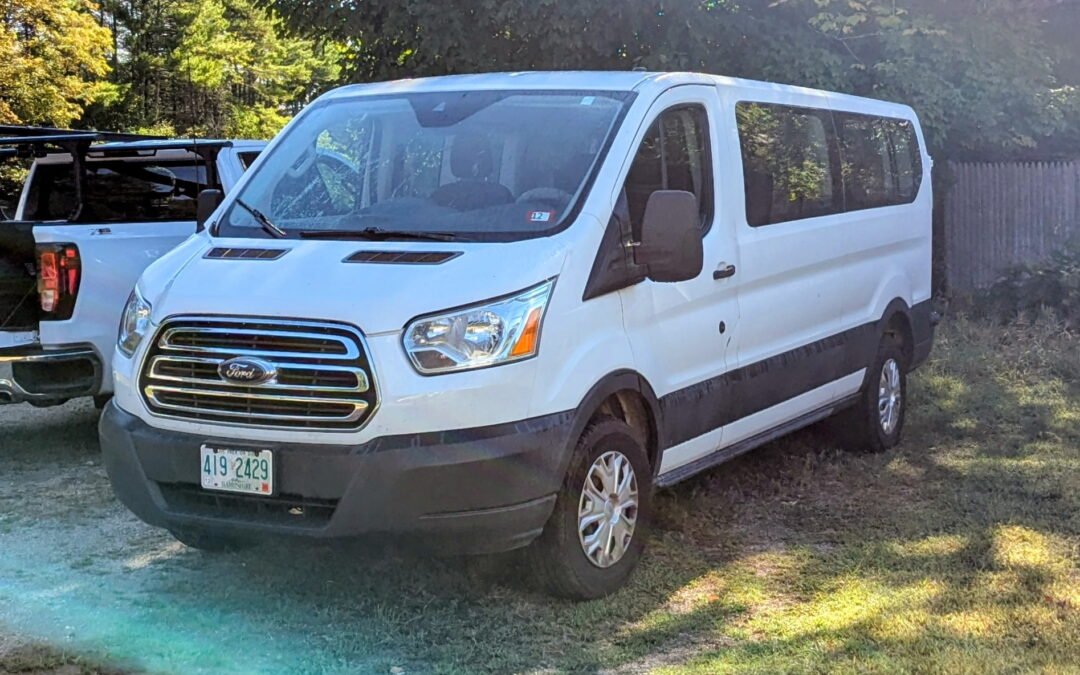
White Horse Recovery, a nonprofit behavioral health center serving the North Country and Lakes Region, is taking a significant step to remove accessibility barriers with the purchase of two new vehicles dedicated to client transportation.

According to Executive Director Matthew Plache, the impact is clear. “These vehicles will allow us to be more mobile and have a greater impact,” he said. “Right now, we only have one van.”

With these additions, he said they will be able to transport more people to appointments and intensive outpatient programs, making it easier for clients to get the help they need. The new vehicles will also enable White Horse Recovery to become credentialed with Coordinated Transportation Solutions (CTS), which provides Medicaid transport.

“Any of our Medicaid clients will be able to get rides from us, and we’ll be reimbursed for it,” he added. “There’s been a huge barrier trying to get CTS to transport our clients because they don’t have enough drivers. Now, we can step in and help fill that gap.”

For those without Medicaid, Plache said no one will be turned away. “Everyone is treated equally and accepted as they are,” he added.

Founded in Center Ossipee, New Hampshire, White Horse Recovery has grown from a small organization into a leading nonprofit with 28 employees across four locations, providing both mental health and substance use disorder services.

If you or someone you know is struggling, you are not alone. White Horse Recovery offers services for those ready to start their journey to recovery. For more information, call 603-651-1441, Ext. 1.

Get Started Today


Recovery is possible. Take the first step toward a healthier, more fulfilling life.

White Horse Recovery Lights the Path Forward During National Recovery Month

White Horse Recovery Lights the Path Forward During National Recovery Month

As National Recovery Month shines a spotlight on the millions of Americans in recovery, White Horse Recovery is taking action with three powerful community events that demonstrate the life-saving impact of recovery support services.

“Recovery Month isn’t just about celebration—it’s about action,” said Matthew Plache, executive director at White Horse Recovery. “While we honor the courage of those in recovery, we’re also working to ensure that everyone in our community has the tools and support they need to save lives and build futures.”

The organization’s National Recovery Month programming includes:

Candlelight Vigil – Saturday, September 13, 6:00-9:00 p.m. at 141 Main St., Littleton. The community will gather to remember those lost to addiction, lighting candles to honor remarkable lives and support grieving families.

Narcan Training & Distribution – Tuesday, September 16, 5:30-6:30 p.m. at The Shed in North Conway. This free, public training teaches participants how to respond to opioid overdose emergencies, with complimentary Narcan kits provided to all attendees.

Recovery Month Open House – Thursday, September 25, 5:30-7:00 p.m. at The Shed North Conway. Community members can meet White Horse’s Recovery Coaching team and learn about walk-in peer support services, including one-on-one coaching, support groups, family resources, and community programs.

These events come at a critical time. According to the CDC, more than 107,000 Americans died from drug overdoses in 2023, while the Substance Abuse and Mental Health Services Administration reports that over 46 million Americans have experienced a substance use disorder. However, SAMHSA data shows that 75% of people with addiction eventually recover.

“Every person we reach through Narcan training could be the difference between life and death for someone’s loved one,” added Plache. “Every family member who connects with our support services gains tools to navigate this journey with hope instead of despair.”

Founded in Center Ossipee, New Hampshire, White Horse Recovery has grown from a small organization into a leading nonprofit with 28 employees across four locations, providing mental health and substance use disorder services throughout the state.

For more information about White Horse Recovery’s National Recovery Month events, contact Meagan Fells at meaganf@whitehorseac.com.

If you or someone you know is struggling, you are not alone. White Horse Recovery offers services for those ready to start their journey to recovery. For more information, call 603-651-1441, Ext. 1.

Get Started Today


Recovery is possible. Take the first step toward a healthier, more fulfilling life.