A Journey of Recovery: Troy Barnes’ Story

A Journey of Recovery: Troy Barnes’ Story

Troy Barnes, CRSW and RCO Manager at White Horse Recovery, never thought his life would take the turns it did. Growing up, he was the “do-gooder” of his friend group—a skinny, music-loving kid who excelled in school and stayed out of trouble.

“I was the last person in my friend group to ever try weed. But in high school, I started experimenting with alcohol and drugs. The big thing was acid, and at that point, it was still kind of innocent. But things started to turn dark once I got to college.”

In college, while studying music and journalism at Plymouth State, Troy’s struggles with undiagnosed ADHD and OCD took a toll. Substance use became a way to cope, and he eventually dropped out. He moved to San Francisco where his addiction intensified.

“When I tried meth for the first time, I overdosed. It really messed me up. I developed a panic disorder and I had to relearn how to do basic things—I couldn’t even go to the grocery store without having a panic attack.”

Seeking a new path, Troy spent several years at a Buddhist monastery, living by Buddhist teachings and exploring spirituality. But addiction crept back in, this time in the form of opioids.

“I started doing pills and heroin, and then started selling black tar heroin. Things really went downhill for me once I started using needles. At some point, I even started making meth and got busted. My life just kept unraveling.”

Eventually, he was arrested and spent a year in prison, followed by two years on parole. After his release, Troy tried to rebuild his life, but the cycle of addiction continued. He moved to Bangor, Maine, hoping for a fresh start, but ended up homeless and using again.

His parents never gave up on him, offering support and encouraging him to seek help. The turning point came when his father was dying.

“What really got me clean was wanting my father to see me sober before he passed. And he did. One of the last times I spoke to him, we just laughed together. It was the first time I really hung out and laughed with my father. That was huge for me.”

Troy entered rehab and began the long process of healing. He participated in therapy and counseling, and slowly started to regain his life.

For years, he struggled with feelings of wasted potential and loneliness, but things began to change when he joined White Horse Recovery in November 2023. There, he found a sense of purpose and self-respect that had eluded him for so long.

“White Horse really opened up things for me. It felt like I was finally giving back, but also like I gained a certain amount of self-respect and dignity that I hadn’t granted myself yet. That’s something I still carry with me.”

Troy’s journey is a testament to resilience, hope, and the power of community.

“Getting clean is so much more than not getting high or not getting drunk. It’s about finding purpose, building relationships, and learning to live again.”

If you or someone you know is struggling, you are not alone. White Horse Recovery offers services for those ready to start their journey to recovery. For more information, call 603-651-1441, Ext. 1.
Meet Erika Sturgeon

Meet Erika Sturgeon

How did your journey with White Horse begin?

I started working at White Horse in 2022, right after I moved to Littleton. I was in sober living and came to the center as a client. I took parenting classes and found support through a recovery-friendly workplace called Ten Foot. They helped me through the process of getting my son back. One day, Kate from White Horse mentioned they were hiring. I applied, got the job, and I’ve been here ever since.

What made White Horse such an important place for you in early recovery?

It was a safe space—not just for meetings, but to hang out and connect with people. Many of the people I was surrounding myself with were also coming here. It became a core part of my support system.

Can you share a bit about your background and how substance use became part of your story?

I moved here from Laconia and come from a large family with a history of substance use disorder. My parents were both severe alcoholics and separated when I was young. My childhood was full of partying and chaos. I had my first child at 16 and tried hard to be different from my parents. I managed for a while, but at 21, when I could legally drink, everything started to spiral. I went to rehab at 24, but lost custody of my first son, Caleb. That was the start of a long and painful journey.

What were some of the key moments in your recovery and relapse journey?

After losing custody of Caleb, I had a second child and used throughout the pregnancy. He was born with substances in his system. I served jail time and my aunt and uncle took him in. I kept using, got pregnant a third time, and finally got on Suboxone. I stayed clean for seven years, but I wasn’t in true recovery—I was just medicated. When my father died, I relapsed again—this time much worse, with meth, heroin, fentanyl, and IV use. I ended up in a shelter, and DCYF got involved again.

What finally helped you turn things around?

When I relapsed again and lost my son, it became nearly impossible to get into rehab. But I eventually made it to Littleton and started again. I worked really hard to get my son back. My partner and I stayed together, and I’ve now been clean for over three years. I became the manager of the center and a recovery coach. I’m working on my high school diploma so I can get my CRSW certification. It’s been a complete transformation.

What’s it like now working in the field of recovery?

Some days are incredibly rewarding, and some are draining. But helping people every day—just being a safe space for someone to do laundry, shower, or talk—is meaningful. Building trust is huge, especially when someone is deep in addiction. You have to walk with them, even if they’re not ready to take the next step right away.

What role does community play in recovery, in your experience?

It’s everything. You can’t recover alone. You need a network—detox, rehab, coaches, meetings, friendships. Breaking the stigma is also huge. When people feel seen and supported, they’re more likely to succeed. I’ve seen people move on, get jobs, and thrive while still rocking their recovery.

What are your future goals?

I want to finish my high school diploma and become a CRSW. One big goal is to work with drug court participants—people who would otherwise be incarcerated. Drug court is a great alternative that offers structure, support, and accountability. I want to be there for people just getting out of jail, so they have a better shot at life.

Tell us about your work with the Littleton Warming Shelter.

This past winter was the first season for the shelter. I serve on the board. We opened a 10-bed shelter for people experiencing homelessness. We saw up to 8 people stay there through the season. It’s been a powerful experience. In the mornings, people would come to White Horse for resources. Some weren’t ready for recovery, and that’s okay—we still welcome them. Meeting people where they are matters.

What keeps you going in this work?

Giving back. This center changed my life. I want to be a voice for people still struggling, and show them that recovery is real, and it’s possible. I never thought I’d be here—but I’m proud that I am.

If you or someone you know is struggling, you are not alone. White Horse Recovery offers services for those ready to start their journey to recovery. For more information, call 603-651-1441, Ext. 1.
Meet Kelsey Wentworth

Meet Kelsey Wentworth

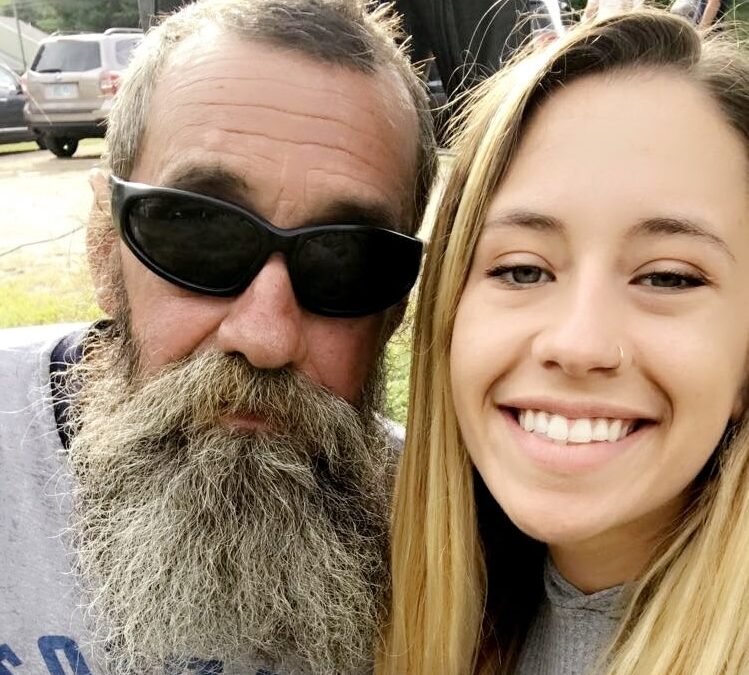
My name is Kelsey Wentworth, and I have been working at White Horse Recovery since the summer of 2021. I began as a peer support worker in the Resource Center in Ossipee and later became a Certified Recovery Support Worker.

From the beginning, I’ve had a heart for those suffering from addiction. When I first entered this field, I believed that showing tough love and promoting the same path I had taken in recovery would help others. Over time, however, I’ve come to deeply appreciate the power of connecting through active listening, motivational interviewing, and expressing love grounded in my Christian beliefs.

People in addiction often carry heavy burdens of guilt, shame, and remorse—they don’t need me to remind them of that. Instead, I’ve embraced the principle of “first, do no harm,” or nonmaleficence. Through experience, I’ve seen this principle play out in different ways—whether it’s setting boundaries and promoting accountability, or offering hope and faith when others can’t yet see it for themselves.

As someone in recovery myself, I understand the importance of accepting others exactly where they are. White Horse has always fostered a positive and supportive environment that makes this possible.

Over the past four years, I’ve not only progressed in my career but also discovered more about who I am and how I can genuinely help others. I’ve witnessed individuals at their lowest points—often cast aside by society—walk through our doors and be welcomed by staff who truly believe in their potential. Watching them grow into the best versions of themselves has been incredibly rewarding.

Currently, I’m working toward the hours required to become a Licensed Alcohol and Drug Counselor. White Horse has been supportive and flexible in helping me pursue this goal. They’ve also encouraged me to explore my personal interests, such as working with inmates and facilitating groups for both men and women at the Carroll County Department of Corrections.

In a field where compassion fatigue is real, finding areas that bring job satisfaction has helped me feel valued and heard. For that, I am deeply grateful to be part of the team at White Horse.

If you or someone you know is struggling, you are not alone. White Horse Recovery offers services for those ready to start their journey to recovery. For more information, call 603-651-1441, Ext. 1.
Meet Mitchell Henderson

Meet Mitchell Henderson

When did you move to New Hampshire, and what brought you here?

My wife and I moved to New Hampshire in the fall of 2022. We had been living in Oregon, where I worked in churches and nonprofit ministry. After having our son, we felt it was time for a change and wanted to be closer to my wife’s family—her father is a priest in Conway. She had a remote job, so we made the move, and I took some time off to stay home with our son for about six months.

How did you get connected to White Horse Recovery?

While looking for jobs here, I asked my father-in-law to ask around. I was getting my master’s degree in ministry and leadership and was looking for a way to serve the community—specifically in faith-based or human services. The biggest needs I saw were in elderly care, mental health, and substance use. My father-in-law introduced me to Mitch, the founder of White Horse, who’s also on our board. At the time, there was only an entry-level recovery coach position open, but after meeting Mitch, Eric, and some of the team, I felt drawn to the mission and decided to join.

What strengths do you bring to your role at White Horse?

My background in Christian ministry and nonprofit work helps me bring a compassionate and service-oriented approach. I’m not in recovery myself, but I see that as an opportunity to offer a different perspective. Lived experience is a superpower—I don’t have that, but I do bring the ability to sit with people, listen, and care deeply. From a Christian perspective, I believe we’re all broken people in need of hope and strength.

What has your journey looked like within White Horse?

After starting as a recovery coach, I was quickly given the opportunity to manage our North Conway center. That role allowed me to use my leadership and communication skills, and eventually, I became the RCO Director overseeing all four centers. One of my goals has been to identify and amplify the unique strengths each team member brings—whether it’s lived experience, compassion, or personal connection to addiction. Peer support is such a powerful and unique model.

What originally inspired your shift from engineering to ministry and service?

I actually went to college for mechanical engineering because it made logical sense. But during my junior year, I got involved with a campus ministry and had a real conviction that God was calling me to help people. I finished the degree but accepted a church internship knowing I wasn’t going to pursue engineering. From there, it’s been a journey of discernment that led me here to New Hampshire—and to White Horse, which I see as the place I’m meant to serve.

What are your goals as RCO Director?

Mitchell: The practical side is improving systems, data, and staffing across all centers. Metaphorically, I think of it as seasons—we’ve been in a pruning season, and now we’re in a planting and preparing one. Hopefully, in a couple years, we’ll be in a growing and harvesting season. Ultimately, I want us to be a strong community presence and a hub for those affected by substance use and mental health issues.

What do you want people to understand about your role as someone not in recovery?

I try to be upfront—I’m one step removed. I have friends and family affected by addiction, but I don’t claim that as my direct experience. Still, I believe it’s an issue that touches every community. Even if you’re not personally impacted, there are ways to help—by learning, listening, and responding with compassion instead of judgment. It’s easy to distance ourselves from uncomfortable realities, but healing comes when we embrace them with empathy and action.

If you or someone you know is struggling, you are not alone. White Horse Recovery offers services for those ready to start their journey to recovery. For more information, call 603-651-1441, Ext. 1.
Meeting Brokenness with Compassion

Meeting Brokenness with Compassion

How did your journey with White Horse begin?

I started working at White Horse in 2022, right after I moved to Littleton. I was in sober living and came to the center as a client. I took parenting classes and found support through a recovery-friendly workplace called Ten Foot. They helped me through the process of getting my son back. One day, Kate from White Horse mentioned they were hiring. I applied, got the job, and I’ve been here ever since.

What made White Horse such an important place for you in early recovery?

It was a safe space—not just for meetings, but to hang out and connect with people. Many of the people I was surrounding myself with were also coming here. It became a core part of my support system.

Can you share a bit about your background and how substance use became part of your story?

I moved here from Laconia and come from a large family with a history of substance use disorder. My parents were both severe alcoholics and separated when I was young. My childhood was full of partying and chaos. I had my first child at 16 and tried hard to be different from my parents. I managed for a while, but at 21, when I could legally drink, everything started to spiral. I went to rehab at 24, but lost custody of my first son, Caleb. That was the start of a long and painful journey.

What were some of the key moments in your recovery and relapse journey?

After losing custody of Caleb, I had a second child and used throughout the pregnancy. He was born with substances in his system. I served jail time and my aunt and uncle took him in. I kept using, got pregnant a third time, and finally got on Suboxone. I stayed clean for seven years, but I wasn’t in true recovery—I was just medicated. When my father died, I relapsed again—this time much worse, with meth, heroin, fentanyl, and IV use. I ended up in a shelter, and DCYF got involved again.

What finally helped you turn things around?

When I relapsed again and lost my son, it became nearly impossible to get into rehab. But I eventually made it to Littleton and started again. I worked really hard to get my son back. My partner and I stayed together, and I’ve now been clean for over three years. I became the manager of the center and a recovery coach. I’m

If you or someone you know is struggling, you are not alone. White Horse Recovery offers services for those ready to start their journey to recovery. For more information, call 603-651-1441, Ext. 1.